%2Ffit-in%2F250x250%2Fguide_websites%2F6535%2Fimages%2Fredfishpng.png&w=1920&q=100)
/users/2b7e9ac0-72b9-41e8-9af9-d73837cbbf66/ratecard/andrew14.jpg)
%2F300x300%2Fusers%2F2b7e9ac0-72b9-41e8-9af9-d73837cbbf66%2Fratecard%2Fandrew14.jpg&w=256&q=75)
%2F300x300%2Fusers%2F2b7e9ac0-72b9-41e8-9af9-d73837cbbf66%2Fimages%2Fspotted-weakfish-south-padre-island-13073.png&w=256&q=75)
%2F300x300%2Fusers%2F2b7e9ac0-72b9-41e8-9af9-d73837cbbf66%2Fimages%2Fbest-great-fishing-day-tx-2285.jpg&w=256&q=75)
%2F300x300%2Fusers%2F2b7e9ac0-72b9-41e8-9af9-d73837cbbf66%2Fimages%2Ffishing-south-padre-island-2294.jpg&w=256&q=75)
%2F300x300%2Fusers%2F2b7e9ac0-72b9-41e8-9af9-d73837cbbf66%2Fimages%2Ffishing-trio-in-texas-2297.jpg&w=256&q=75)
%2F300x300%2Fusers%2F2b7e9ac0-72b9-41e8-9af9-d73837cbbf66%2Fimages%2Fcoastal-catch-brown-bullhead-fish-2373.jpg&w=256&q=75)
%2F300x300%2Fusers%2F2b7e9ac0-72b9-41e8-9af9-d73837cbbf66%2Fimages%2Fgroup-fishing-south-padre-island-2297.jpg&w=256&q=75)
%2F300x300%2Fusers%2F2b7e9ac0-72b9-41e8-9af9-d73837cbbf66%2Fimages%2Ffishing-south-padre-island-2292.jpg&w=256&q=75)
%2F300x300%2Fusers%2F2b7e9ac0-72b9-41e8-9af9-d73837cbbf66%2Fimages%2Ffishing-fun-texas-shore-2262.jpg&w=256&q=75)
%2F300x300%2Fusers%2F2b7e9ac0-72b9-41e8-9af9-d73837cbbf66%2Fimages%2Fgreat-fishing-south-padre-island-2412.jpg&w=256&q=75)
%2F300x300%2Fusers%2F2b7e9ac0-72b9-41e8-9af9-d73837cbbf66%2Fimages%2Ffishing-south-padre-island-2321.jpg&w=256&q=75)
Expert-Guided SPI Fishing: 5-Hour Inshore Adventure
 South Padre Island
What you will be catching:
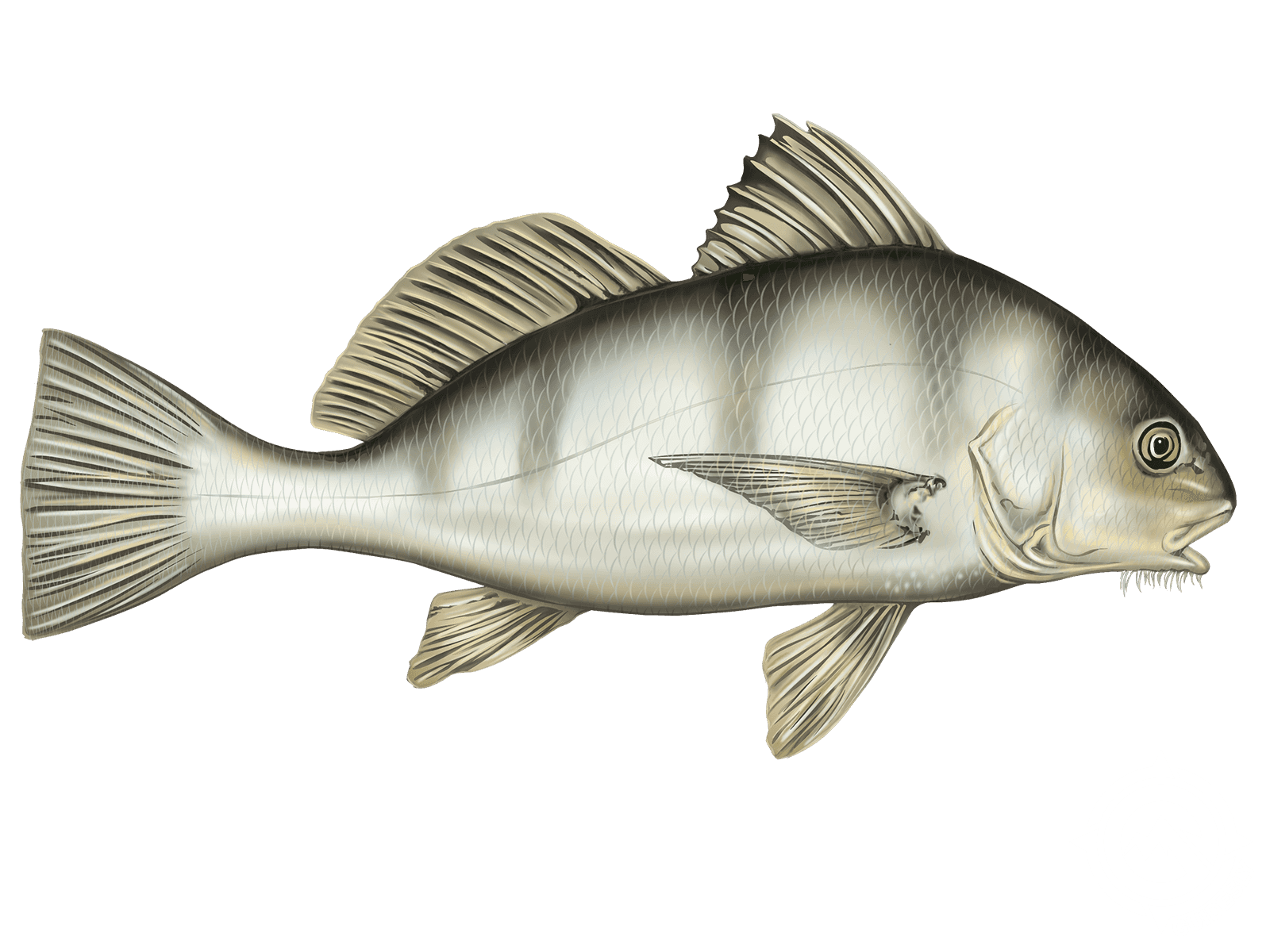
 Black Drum
 Redfish
 Sheepshead
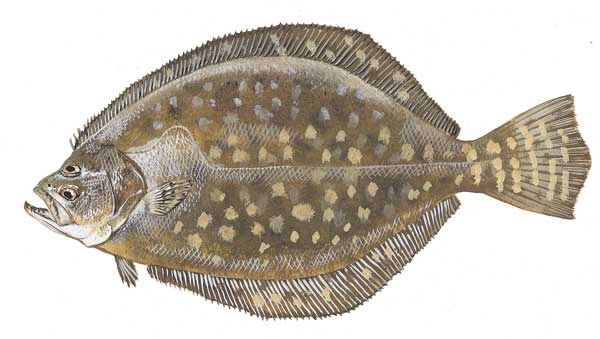 Southern Flounder
 Tarpon
- 5-hour inshore fishing trip targeting premium Gulf species
- Intimate 2-guest capacity ensures personalized fishing instruction
- All equipment, cleaning, refreshments, and tackle included
Trip Pricing and Availabilities:
Half Day Beginner-Friendly Fishing Trip
Looking for the perfect introduction to South Padre Island's world-class inshore fishing scene? Captain Andrew's got you covered with this top-rated half-day charter that's designed specifically for newcomers and families. You'll spend five solid hours working the shallow flats and protected bay waters where redfish cruise the grass beds and speckled trout ambush baitfish along the drop-offs. The morning start time puts you on the water when the fish are most active, and Captain Andrew knows exactly where they're holding based on tides, weather, and seasonal patterns. With just two anglers max, you get personalized instruction and plenty of one-on-one coaching to master the basics of inshore fishing.
What to Expect on the Water
This charter kicks off early to take advantage of the cooler morning temperatures when fish are feeding aggressively in the shallows. Captain Andrew runs a clean, well-maintained boat equipped with everything you need for a successful day – quality rods and reels, fresh bait, tackle box full of proven lures, and a cooler stocked with ice for your catch. The inshore waters around South Padre stay relatively calm compared to offshore conditions, making this trip comfortable even for those who get seasick easily. You'll fish multiple spots throughout the morning, from oyster reefs where sheepshead hang out to sandy potholes where flounder lay buried waiting for an easy meal. The small group size means Captain Andrew can focus on teaching proper casting techniques, how to work different lures, and reading the water to spot fish. During peak season, he might even take you after some larger species like kingfish or tarpon if conditions are right.
Techniques and Tackle
Inshore fishing here is all about finesse and reading the signs – you'll learn to cast soft plastics into the grass beds where redfish root around for crabs, pitch live shrimp under docks where trout lurk in the shade, and work bottom rigs along structure for black drum and sheepshead. Captain Andrew provides light to medium-action rods spooled with braided line that gives you better sensitivity to feel those subtle bites. The water clarity varies depending on wind and tide, so he'll adjust tactics accordingly – switching between natural baits when fish are spooky and aggressive lures when they're actively feeding. You'll master the basics of drift fishing, anchored bottom fishing, and sight casting to visible fish in shallow water. The gear stays simple but effective – nothing too complicated for beginners, but quality equipment that can handle whatever swims in these waters. Fish cleaning is included at the end of the trip, so you'll head home with fillets ready for the dinner table.
Top Catches This Season
Redfish are the bread and butter of South Padre's inshore scene, and these copper-colored bruisers put up fights way above their weight class. Most reds here run 18 to 28 inches, with the occasional oversized bull pushing 30-plus inches that'll test your drag system. They're most active during cooler months from October through March, but you can find them year-round if you know where to look. What makes redfish so special is their willingness to eat almost anything – live shrimp, cut bait, soft plastics, even topwater lures when they're really fired up. Speckled trout are another customer favorite, especially the bigger "gator trout" that lurk around structure and drop-offs. These spotted beauties are excellent table fare and provide steady action throughout the trip. Spring and fall offer the best trout fishing when they school up in predictable areas. Southern flounder might not be the prettiest fish in the bay, but they're masters of camouflage and absolutely delicious. These flatfish bury themselves in sandy bottoms near channel edges and ambush passing prey – finding them requires skill and local knowledge that Captain Andrew has in spades. Black drum grow huge in these waters, with some specimens reaching 40-plus pounds, though the smaller "puppy drum" in the 5-15 pound range are more common and better eating. Sheepshead are the technical challenge of the group – these black-and-white striped fish have human-like teeth for crushing barnacles and crabs, making them notorious bait stealers that require perfect timing to hook.
Time to Book Your Spot
This beginner-friendly charter fills up fast, especially during peak season when families visit South Padre Island. Captain Andrew's reputation for patient instruction and consistent fish-catching has made this trip a customer favorite among first-time anglers and experienced fishermen bringing kids or nervous spouses. The five-hour duration gives you enough time to try different techniques and locations without wearing out beginners who aren't used to a full day on the water. With all gear, bait, tackle, and fish cleaning included, plus light snacks and drinks provided, this represents outstanding value for a quality inshore fishing experience. Just grab your Texas fishing license, pack some sunscreen and a hat, and get ready to discover why South Padre Island is renowned as one of the Gulf Coast's premier inshore fishing destinations. Whether you're looking to start a new hobby or create lasting family memories, this trip delivers the perfect introduction to the addictive world of shallow water fishing.
Learn more about the species
Black Drum
Black Drum are the heavyweights of our inshore waters, commonly running 10-30 pounds with some monsters pushing 50-plus. These gray-black bruisers love shallow oyster beds, muddy flats, and around any structure where they can crush shellfish with their powerful jaws. Spring is peak season when they school up for spawning, making them easier to target. You'll hear them "drumming" underwater - that's how they got their name. What guests love is their bulldogging fight and willingness to eat when others won't bite. The smaller fish under 15 pounds are excellent table fare with firm, white meat. For the big ones, we usually catch and release. Here's my go-to trick: fresh peeled shrimp or blue crab on a sliding sinker rig, fished right on bottom near structure. Let them run with it before setting the hook.
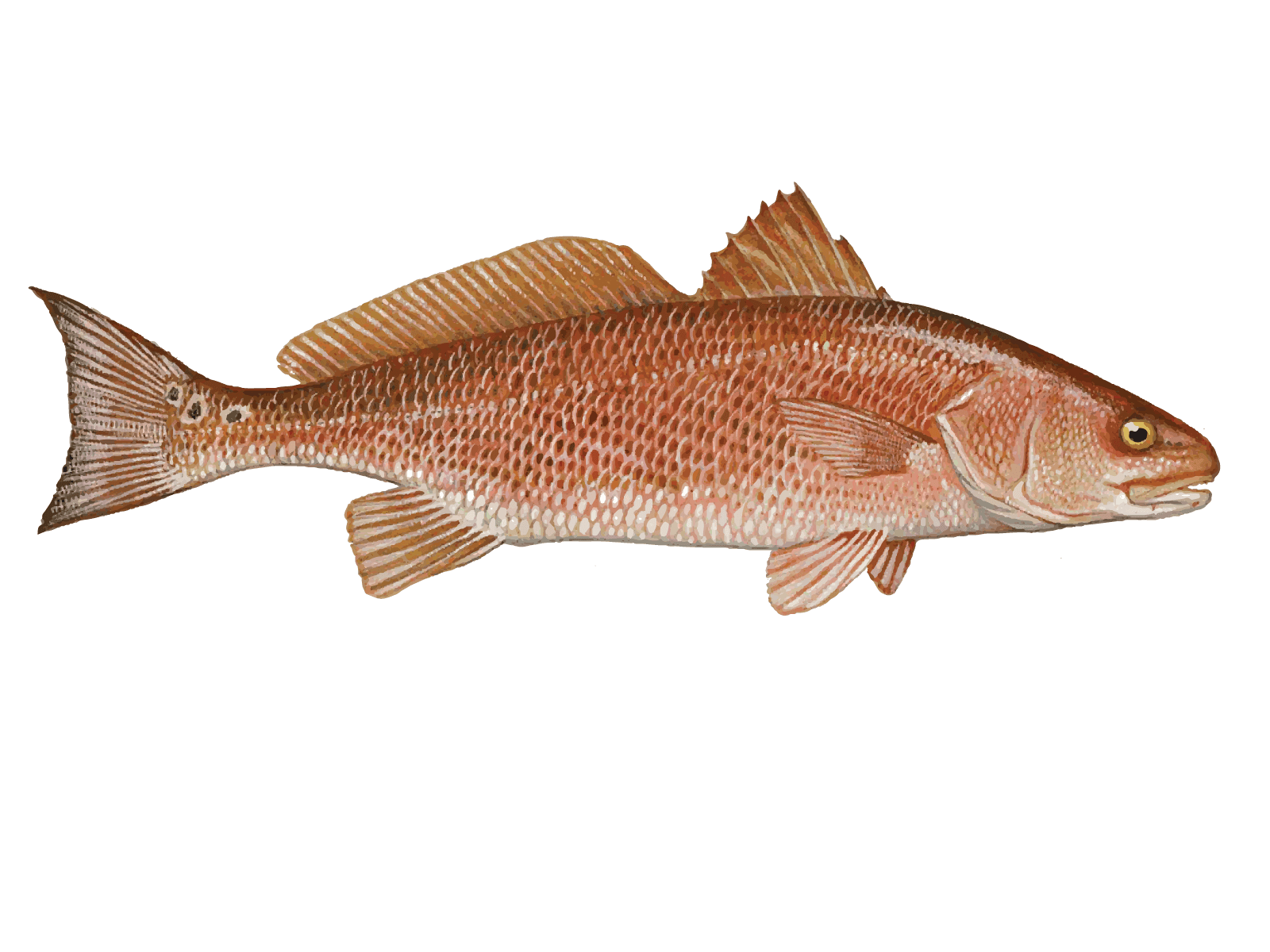
Redfish
Redfish are our bread and butter species - bronze-colored beauties with that distinctive black spot near the tail. These 20-30 inch fish love super shallow water, often in less than 3 feet around grass flats, oyster reefs, and shorelines. You'll sometimes see their backs out of water when they're tailing in the shallows. They're year-round residents but really fire up in fall and spring. What guests love is their aggressive strikes and strong runs - they'll peel drag and make multiple runs before giving up. Plus they're fantastic eating with mild, flaky white meat. They're not picky eaters either - live shrimp, soft plastics, topwater plugs, they'll hit it all. My favorite trick is working a gold spoon or paddle tail soft plastic along grass edges during moving water. When you hook one, keep steady pressure but let them run - they'll tire out quicker than you think.
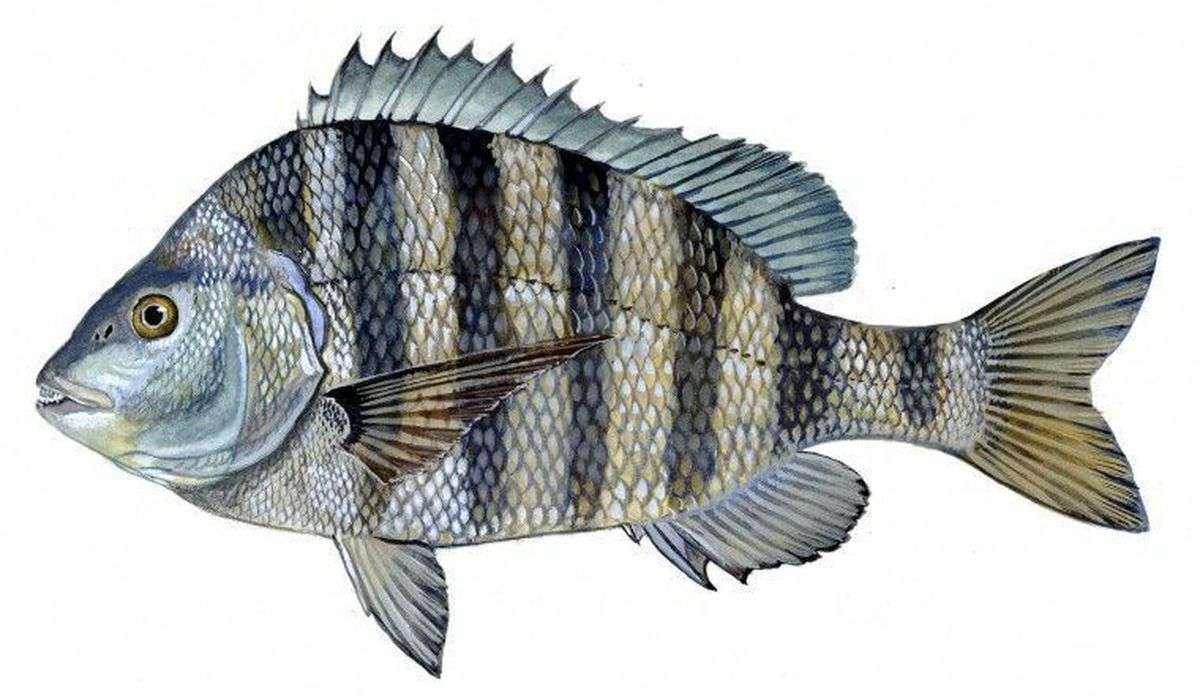
Sheepshead
Sheepshead are the convict fish of our waters with their distinctive black and white stripes, and they've got human-like teeth that'll surprise you. These 2-8 pounders hang tight to structure - pilings, jetties, oyster bars, anywhere they can pick off barnacles and crabs. They're year-round residents but really turn on in cooler months when they school up around structure. What makes them popular is their excellent eating quality - sweet, white meat that's hard to beat fried or grilled. The challenge is they're notorious bait thieves with light bites. You'll feel them pecking at your bait before they fully commit. Fresh shrimp or fiddler crabs work best on small hooks fished tight to structure. Here's the trick: when you feel that subtle tap-tap-tap, set the hook hard immediately. Wait too long and they'll steal your bait every time.
Southern Flounder
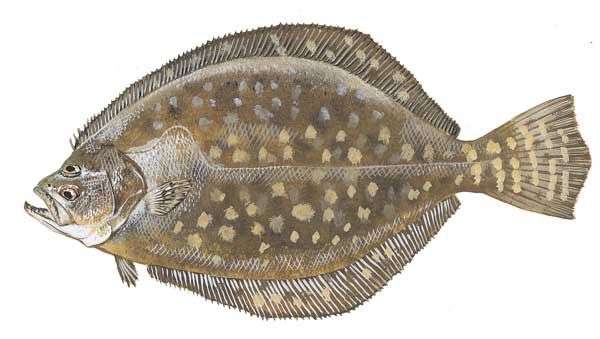
Southern Flounder are masters of disguise - these flat fish hide in sandy or muddy bottoms with both eyes on one side of their head. Around South Padre, you'll find them in 2-8 feet of water near structure like jetties, channel edges, and grass flats. They typically run 15-18 inches and 2-5 pounds, though keepers over 3 pounds make great eating with sweet, flaky meat. Fall and winter are prime times when they move through our passes heading offshore to spawn. What makes them fun to target is their ambush style - they'll hammer a slow-bounced jig or live shrimp fished near bottom. My tip: use a light jig head and work it slow along drop-offs. When you feel that distinctive thump, give it a second before setting the hook - they like to grab bait sideways first.
Tarpon
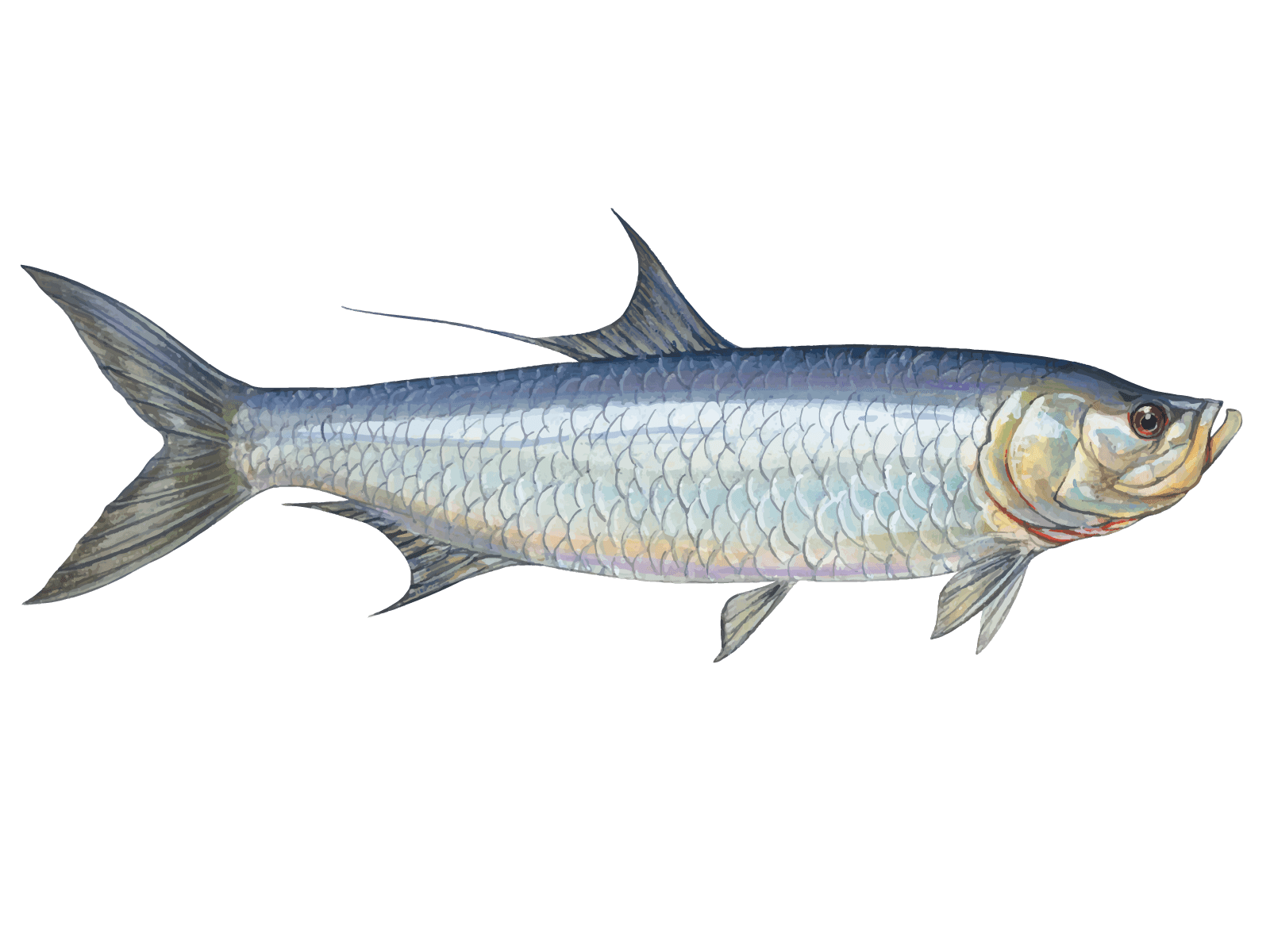
Tarpon are the kings of our waters - silver bullets that can reach 6 feet and over 100 pounds. These ancient fish migrate through South Padre from late spring through summer, moving along our beaches and through the passes. What makes them legendary isn't the fight alone, but those heart-stopping jumps when they clear the water by 8 feet trying to throw your hook. We find them rolling on the surface in deeper channels and around structure in 10-30 feet of water. Most anglers practice catch and release since they're not great eating - too many bones and strong flavor. The best action is typically early morning or late afternoon when they're actively feeding on mullet and shrimp. My advice: when you hook one, bow to the fish during those jumps to keep slack in the line, or they'll spit that hook every time.
About the Marshall Topwater
%2F%2Fusers%2F2b7e9ac0-72b9-41e8-9af9-d73837cbbf66%2Fvehicle_picture%2Fav.jpg&w=1920&q=75)
Vehicle Guest Capacity: 6
Manufacturer Name: Evinrude
Maximum Cruising Speed: 35
Number of Engines: 1
Horsepower per Engine: 200