%2Ffit-in%2F250x250%2Fguide_websites%2F6535%2Fimages%2Fredfishpng.png&w=1920&q=100)
/users/2b7e9ac0-72b9-41e8-9af9-d73837cbbf66/ratecard/492413675_2170532490058982_6429291794593577488_n.jpg)
%2F300x300%2Fusers%2F2b7e9ac0-72b9-41e8-9af9-d73837cbbf66%2Fratecard%2F492413675_2170532490058982_6429291794593577488_n.jpg&w=256&q=75)
%2F300x300%2Fusers%2F2b7e9ac0-72b9-41e8-9af9-d73837cbbf66%2Fimages%2Fspotted-weakfish-south-padre-island-13073.png&w=256&q=75)
%2F300x300%2Fusers%2F2b7e9ac0-72b9-41e8-9af9-d73837cbbf66%2Fimages%2Fbest-great-fishing-day-tx-2285.jpg&w=256&q=75)
%2F300x300%2Fusers%2F2b7e9ac0-72b9-41e8-9af9-d73837cbbf66%2Fimages%2Ffishing-south-padre-island-2294.jpg&w=256&q=75)
%2F300x300%2Fusers%2F2b7e9ac0-72b9-41e8-9af9-d73837cbbf66%2Fimages%2Ffishing-trio-in-texas-2297.jpg&w=256&q=75)
%2F300x300%2Fusers%2F2b7e9ac0-72b9-41e8-9af9-d73837cbbf66%2Fimages%2Fcoastal-catch-brown-bullhead-fish-2373.jpg&w=256&q=75)
%2F300x300%2Fusers%2F2b7e9ac0-72b9-41e8-9af9-d73837cbbf66%2Fimages%2Fgroup-fishing-south-padre-island-2297.jpg&w=256&q=75)
%2F300x300%2Fusers%2F2b7e9ac0-72b9-41e8-9af9-d73837cbbf66%2Fimages%2Ffishing-south-padre-island-2292.jpg&w=256&q=75)
%2F300x300%2Fusers%2F2b7e9ac0-72b9-41e8-9af9-d73837cbbf66%2Fimages%2Ffishing-fun-texas-shore-2262.jpg&w=256&q=75)
%2F300x300%2Fusers%2F2b7e9ac0-72b9-41e8-9af9-d73837cbbf66%2Fimages%2Fgreat-fishing-south-padre-island-2412.jpg&w=256&q=75)
%2F300x300%2Fusers%2F2b7e9ac0-72b9-41e8-9af9-d73837cbbf66%2Fimages%2Ffishing-south-padre-island-2321.jpg&w=256&q=75)
South Padre Bay Fishing: Beginner-Friendly Charter
 South Padre Island
What you will be catching:
 Black Drum
 Redfish
 Sheepshead
 Southern Flounder
 Tarpon
- 5-hour beginner-friendly bay fishing charter with Captain Andrew
- Targets Sheepshead, Flounder, and Black Drum in calm waters
- Includes gear, fish cleaning, snacks, and drinks provided
Trip Pricing and Availabilities:
Half Day Beginner-Friendly Fishing in South Padre
Looking to dip your toes into the world of inshore fishing without the intimidation factor? Captain Andrew's got you covered with this laid-back afternoon charter that's perfect for first-timers. Starting at 2 PM when the Texas sun isn't blazing quite as hard, you'll spend five solid hours targeting some of the most reliable species in South Padre's back bays. This isn't about setting world records – it's about learning the ropes, having fun, and hopefully bringing home dinner. With just two guests max, you'll get the personal attention that makes all the difference when you're figuring out how to read the water and feel those subtle bites.
What to Expect on the Water
This top-rated charter kicks off from South Padre Island's calm bay waters, where the current runs gentle and the fish are forgiving – exactly what you want when you're starting out. Captain Andrew keeps things simple but thorough, walking you through everything from proper rod handling to reading your line for those sneaky sheepshead nibbles. The shallow flats and grass beds around South Padre are like a natural classroom for learning inshore techniques. You'll be wade fishing most of the time, which means bringing your own waders is essential. Don't worry about the rest of the gear though – rods, reels, tackle, and bait are all provided, plus ice to keep your catch fresh and cleaning services so you can focus on the fishing instead of the messy stuff afterward. The complimentary snacks and drinks are a nice touch when you need to refuel between fish.
Bay Fishing Techniques & Spots
South Padre's inshore waters are all about patience and precision rather than brute force. You'll be working with light tackle and natural baits, learning to feel the difference between a curious tap and a committed bite. The grass flats hold flounder that like to ambush prey, while the shell reefs and structure attract sheepshead with their eternal need to crunch something hard. Black drum patrol the deeper pockets and channel edges, often in small schools that can turn a slow day into a memorable one. Captain Andrew knows exactly where to position you based on tide, wind, and recent fish movement. The beauty of wade fishing here is getting close to the action – you'll actually see fish moving in the clear water on good days, which beats staring at a fish finder any time. The technique is all about reading bottom structure, understanding how baitfish move, and learning to work your offering at the right depth and speed.
Species You'll Want to Hook
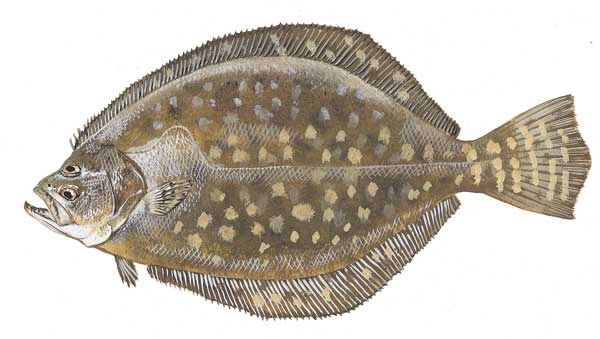
Southern Flounder are the bread and butter of South Padre bay fishing, and they're perfect for beginners because they telegraph their intentions pretty clearly. These flatfish hang out in 2-4 feet of water along grass edges and sandy pockets, typically ranging from 14-20 inches with the occasional doormat pushing 24 inches or better. Fall through early spring gives you the best shot at quality flounder as they stage up for their offshore spawning runs. What makes them so satisfying to catch is that initial thump when they grab your bait, followed by that classic head-shaking bulldogging fight. Plus, there's no better eating fish in the bay.
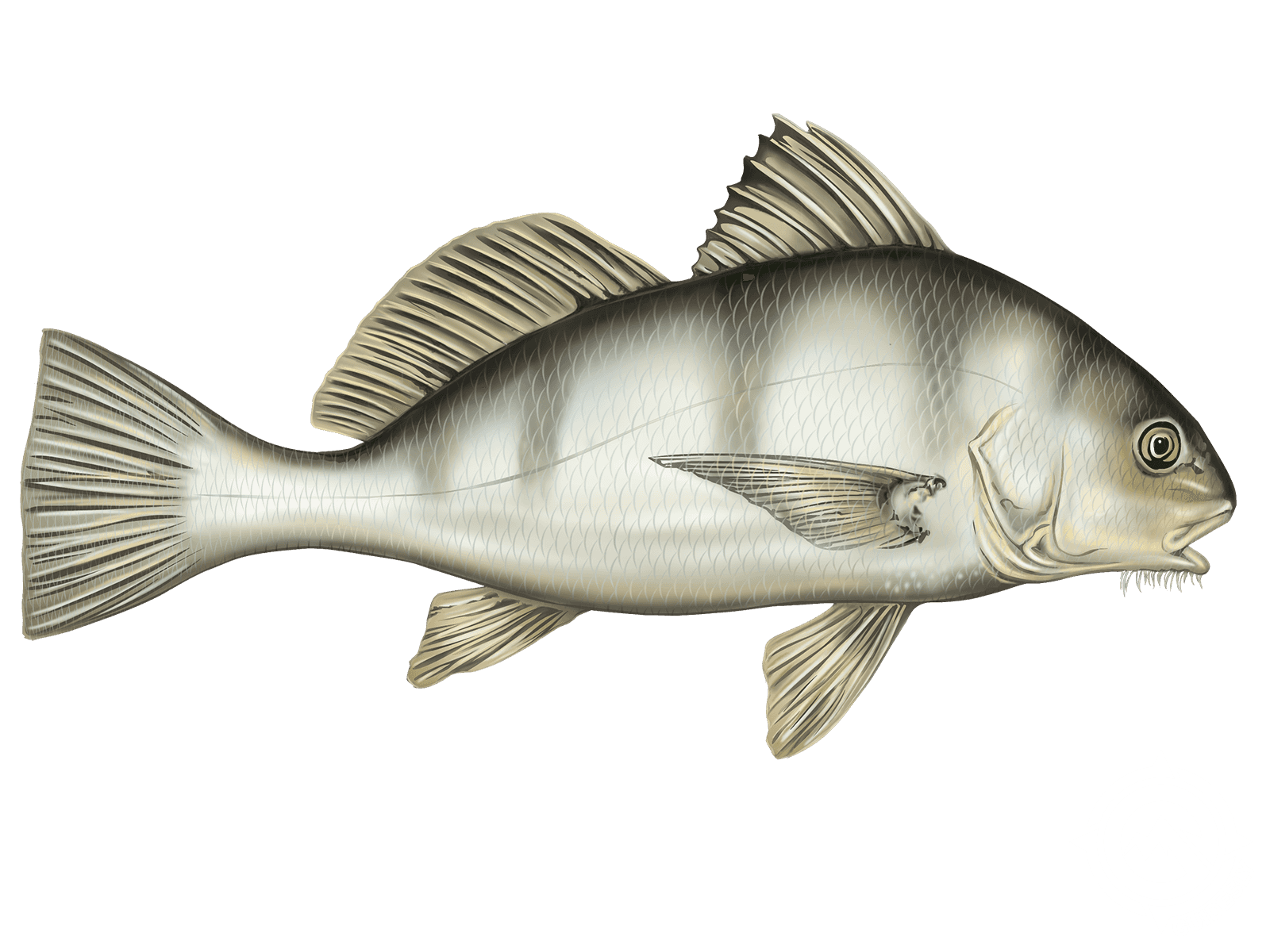
Black Drum might not win any beauty contests, but they're customer favorites for good reason. These copper-colored battlers range from 2-15 pounds in the shallows, with the bigger specimens putting up fights that'll test your drag system. They're most active during cooler months and love crunching blue crab and shrimp around oyster reefs and drop-offs. Black drum have this habit of making long, powerful runs that'll get your heart pumping, and they're surprisingly smart about using structure to try breaking you off. The bonus? They make excellent table fare when prepared right.
Tarpon show up as a world-class bonus species, particularly during summer months when the water warms up. Even the juvenile tarpon you'll encounter in the bays – typically 10-40 pounds – will give you a fight you won't forget. These silver kings are known for their acrobatic jumps and blistering runs, turning a quiet afternoon into an adrenaline rush. They're catch-and-release only, but hooking into one is like winning the inshore lottery. Captain Andrew knows the seasonal patterns and can often put you on tarpon when conditions align.
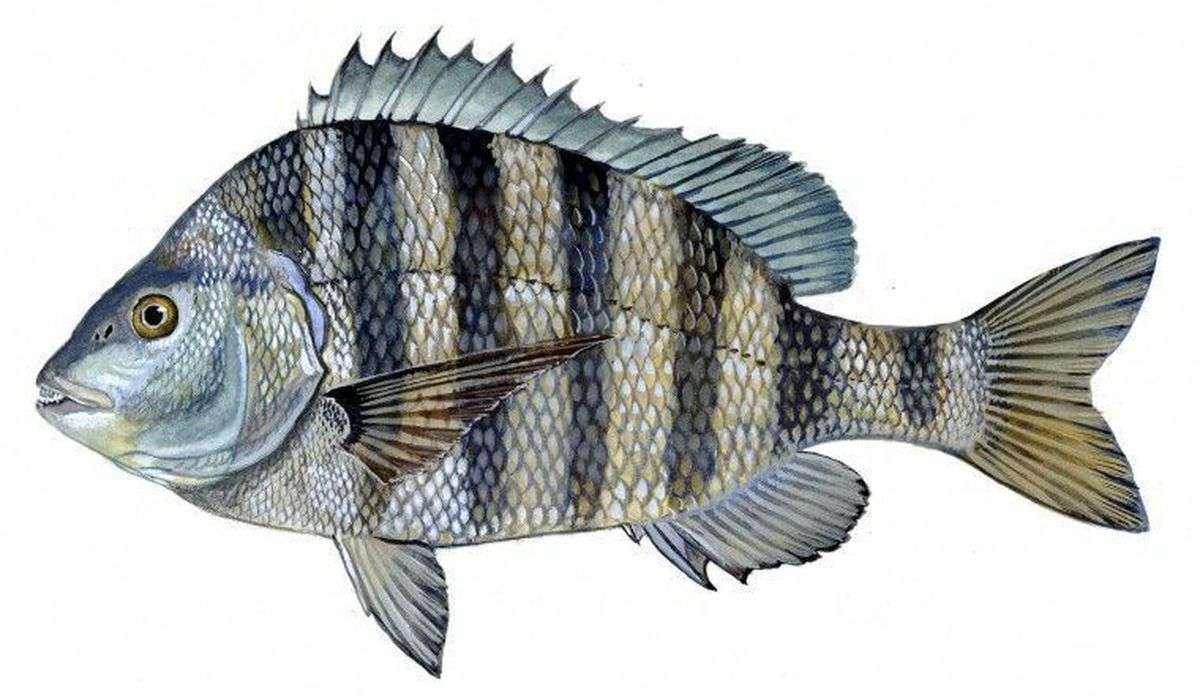
Sheepshead are the technical challenge of the group, requiring finesse and quick reflexes. These black-and-white striped convict fish have human-like teeth for crushing barnacles and shellfish, which makes them notorious bait stealers. They typically run 1-4 pounds in the bays, hugging any hard structure they can find. Spring brings the best sheepshead action as they move shallow to spawn. Landing one feels like solving a puzzle – they're that tricky to hook consistently. But once you figure out their timing, they're addictive to target.
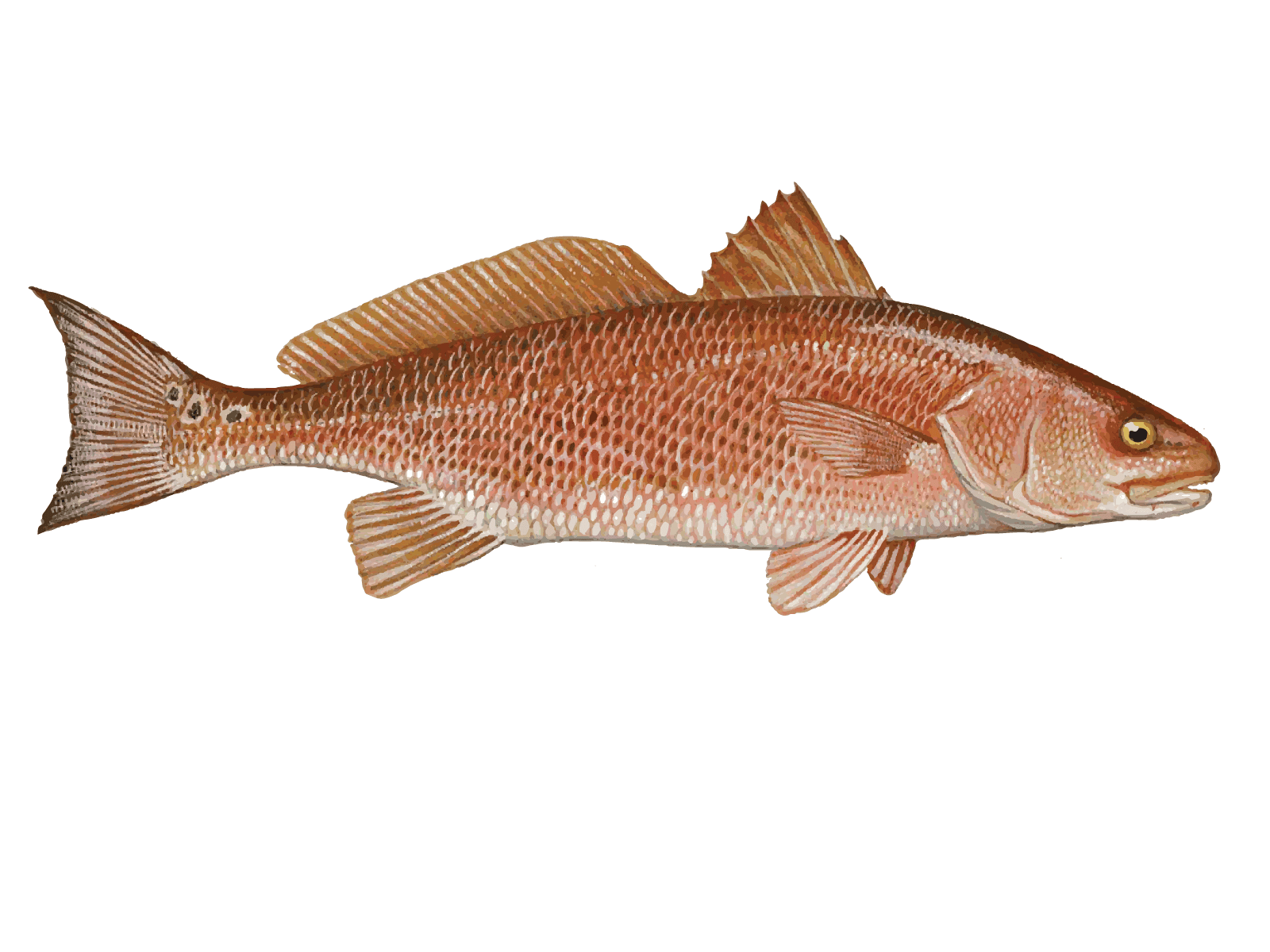
Redfish round out the target list as the most aggressive feeders you'll encounter. These bronze bulldogs range from slot-sized 18-27 inchers up to bull reds pushing 35+ inches and 20+ pounds. They're year-round residents that patrol grass flats, oyster bars, and shallow shorelines looking for an easy meal. Reds are renowned for their initial runs and steady, determined fights. They also make that satisfying thump when they eat, so you'll know immediately when you're hooked up. Peak action typically comes during fall and spring transitions.
Time to Book Your Spot
Captain Andrew's beginner-friendly approach takes all the guesswork out of getting started in inshore fishing. With only two spots available per trip, you're guaranteed personal attention and hands-on instruction that you just won't get on crowded party boats. The afternoon timing works perfectly for avoiding South Texas morning winds, and you'll still have daylight for that perfect grip-and-grin photo. Everything's included except your waders, so all you need to bring is sunscreen, a hat, and enthusiasm for learning something new. This charter consistently delivers exactly what it promises – a relaxed introduction to South Padre's incredible inshore fishery with a captain who genuinely wants to see you succeed. Don't wait too long to secure your dates, especially during peak seasons when these intimate trips book up fast.
Learn more about the species
Black Drum
Black drum are the heavyweights of our bay system, and they'll give you a serious workout. These powerful fish typically run 5-30 pounds, but the big bulls can hit 50+ pounds around here. You'll find them cruising oyster reefs, muddy flats, and shallow grass beds where they root around for crabs and shellfish with those strong jaws. They love water from 2-15 feet deep. Spring is prime time when they school up for spawning - that's when you'll hear them drumming underwater, especially around dawn and dusk. What guests love is the fight - once hooked, they use that bulk to bulldoze toward structure. Smaller ones under 15 pounds make good table fare, but the big ones are tough and better released. My secret: fresh blue crab on a fish finder rig works magic. Keep your bait on the bottom and be patient - when a drum takes it, you'll know.
Redfish
Redfish are our bread-and-butter species here in South Padre's shallow waters. These copper-colored beauties with the distinctive black spots near their tails typically run 20-30 inches and fight way above their weight class. You'll find them cruising grass flats, oyster reefs, and muddy shorelines in water so shallow their backs sometimes show. They love that 1-4 foot range where most boats can't go. Year-round fishing is good, but fall brings the best action when they school up. What guests love is watching them cruise the shallows and that explosive strike when they hit topwater lures. They're also great table fare when kept within slot limits. The trick is staying quiet and making long casts ahead of cruising fish - spook them once and they're gone. Gold spoons and live shrimp are hard to beat, but don't overlook topwater plugs on calm mornings for pure excitement.
Sheepshead
Sheepshead are the sneakiest fish in our waters, and they'll test your patience with their light bites. These black-and-white striped fish - we call them convict fish - typically run 1-8 pounds and 14-20 inches, though 20-pounders do swim around here. You'll find them hugging structure like dock pilings, jetties, and bridge supports where they pick barnacles and small crabs off the concrete. They stay close to cover year-round, but winter and spring give us the best action. What makes them fun is the challenge - they're notorious bait thieves with those human-like teeth, nibbling your shrimp down to nothing. But land one and you've got some of the best eating fish around - sweet, white meat that's hard to beat. My trick: use small hooks with fresh shrimp, get as close to structure as you dare, and when you feel that subtle tap-tap, set the hook hard and fast.
Southern Flounder
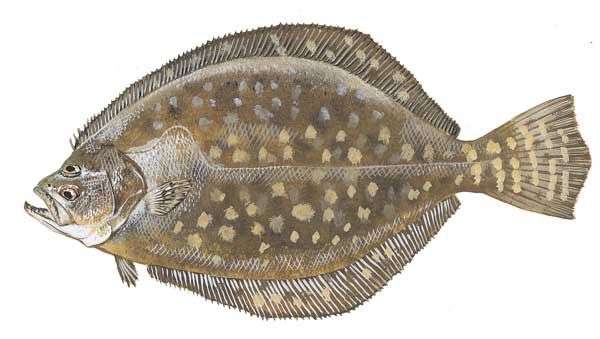
Southern flounder are masters of disguise - these flat fish bury themselves in sandy and muddy bottoms where they ambush prey. You'll recognize them by having both eyes on their left side and their ability to change color to match the bottom. Most run 15-18 inches and around 5 pounds, though we occasionally see them pushing 20+ pounds. They love our shallow bay waters, especially around grass flats and channel edges in 2-8 feet of water. Fall and winter are prime time when they move through on their spawning migration. What makes them fun to target is that strike - they hit hard and fast when they decide to take your bait. Plus, they're fantastic eating with sweet, white meat. My tip: use a Carolina rig with live shrimp or mud minnows, and fish it slow right on the bottom. When you feel that thump, don't hesitate - set the hook firm.
Tarpon
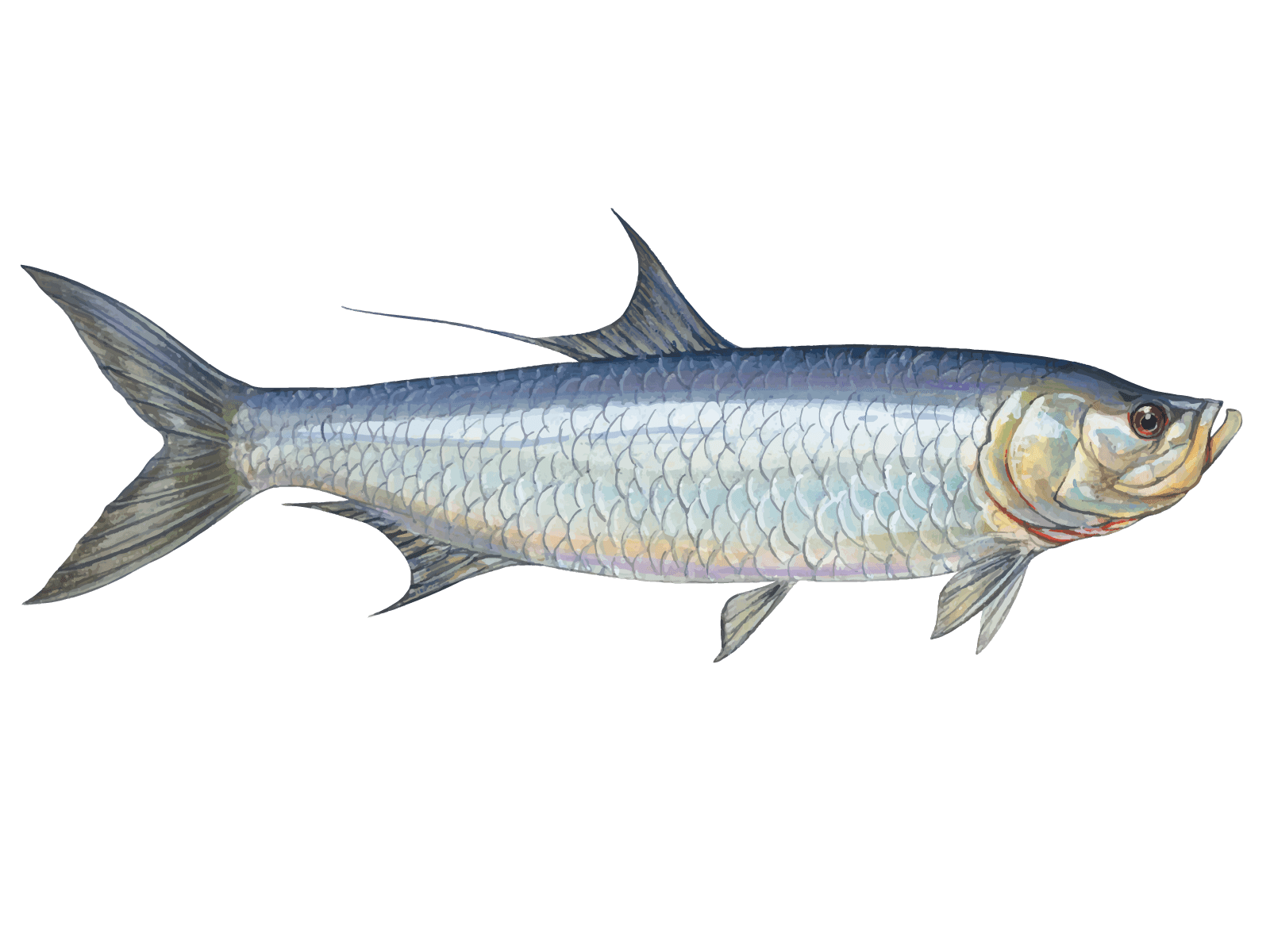
Tarpon are the silver kings that turn grown anglers into kids again. These prehistoric giants can reach 6+ feet and 200 pounds, though most we see here run 80-150 pounds. They cruise our shallow flats, channels, and around passes in 3-20 feet of water, often rolling and gulping air at the surface. Late spring through summer brings the best action when they migrate through our waters. What makes them special isn't just the acrobatic jumps - it's that raw power and endurance that can test you for an hour. Most folks release them since the meat is full of bones and not great eating. They're all about the experience and photos. These fish have been around 125 million years, so there's something humbling about that connection. My advice: when they jump, bow to the king - lower your rod tip to give slack, or they'll throw the hook every time. Patience and respect win with tarpon.
About the Marshall Topwater
%2F%2Fusers%2F2b7e9ac0-72b9-41e8-9af9-d73837cbbf66%2Fvehicle_picture%2Fav.jpg&w=1920&q=75)
Vehicle Guest Capacity: 6
Manufacturer Name: Evinrude
Maximum Cruising Speed: 35
Number of Engines: 1
Horsepower per Engine: 200